
Now the question was how to get from Washington state to Philly. Both Mom and Pop were fed up with trains and Mom wanted no part of airliners, not after seeing this ad ->

Mom thought a bus might be nice. You could meet some interesting people on a bus.
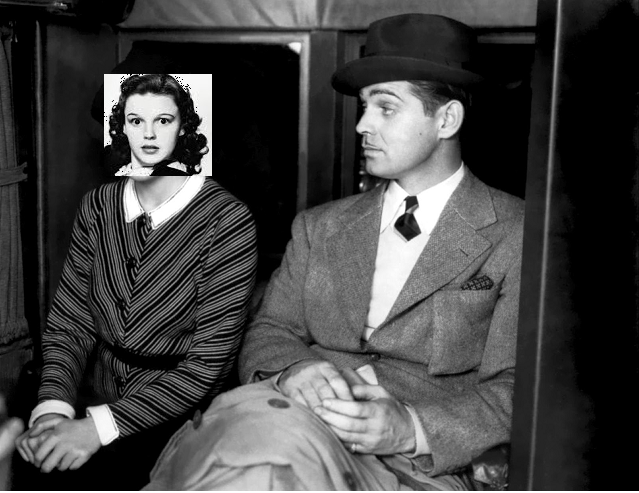
But Pop was a do-it-yourself kind of guy. He wanted to be captain of his own ship, he wanted to see the USA in his Chevrolet. To modern ears that seems quite sensible. No one today would voluntarily cross the country in a bus or train. We’d fly of course, and barring that we’d go by car. How times have changed. Back then they’d only been building (and paving) roads systematically for a bit over 20 years. In fact, Pop and the numbered road system were the same age. Before that, folks named roads whatever the heck they wanted and many an over-zealous chamber of commerce re-routed what might be comically referred to as the nearby highway, to go through their town in hopes a few bucks might fall by the wayside. Usually at body shops.

Trying to navigate via road signs was like playing 3 card monte.
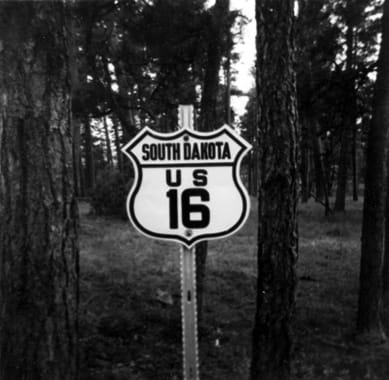
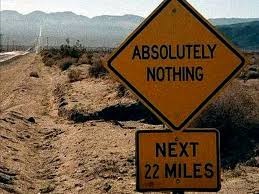
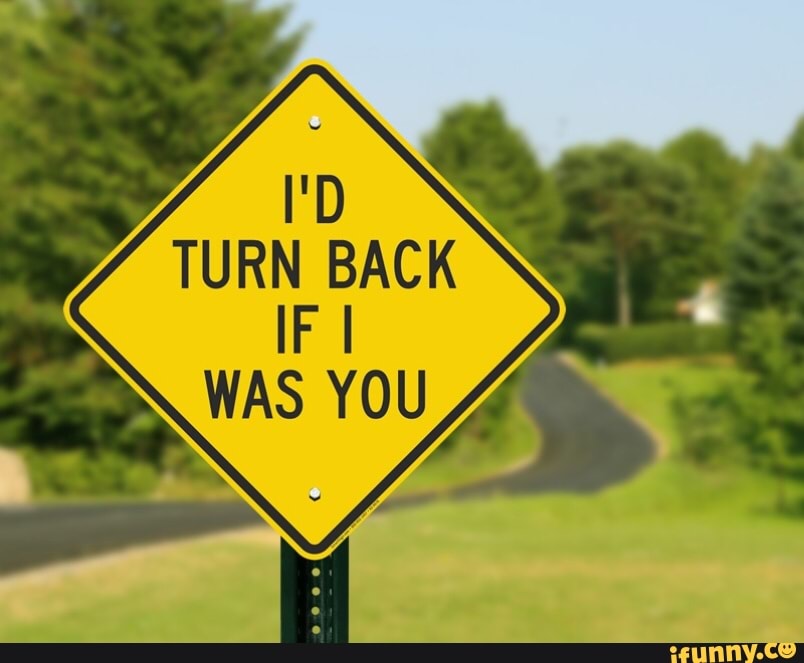
And then there were the maps of the day, which dated from the second voyage of Christopher Columbus.
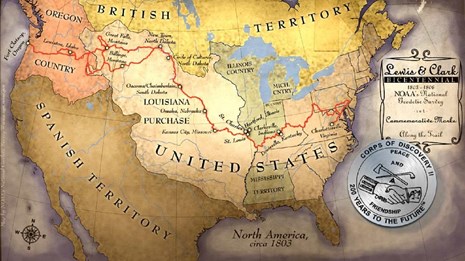
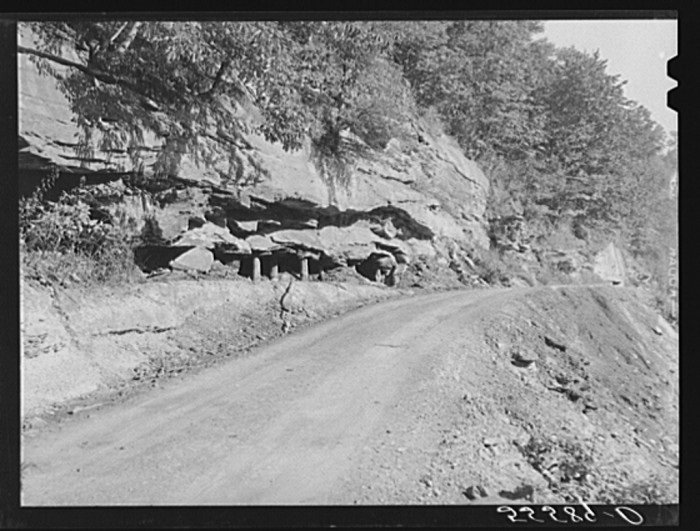
Even when you could find the “highway” the roads left something to be desired.
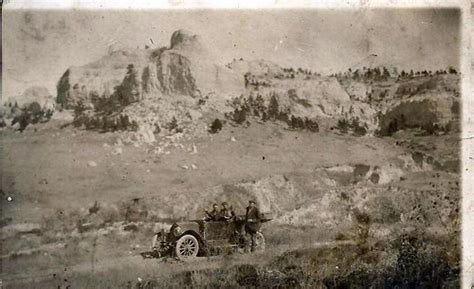
And, as if the roads and maps weren’t bad enough, there was the antediluvian vehicle itself. Unfortunately, Pop’s Chevy was a scrap heap after his accident. So they teamed up with another couple from Philly, the Brookses. George supplied the car, a 1932 Hupmobile. Here’s one in reasonable repair circa 1938 ->
Here are the Brookses in their Hupmobile ->
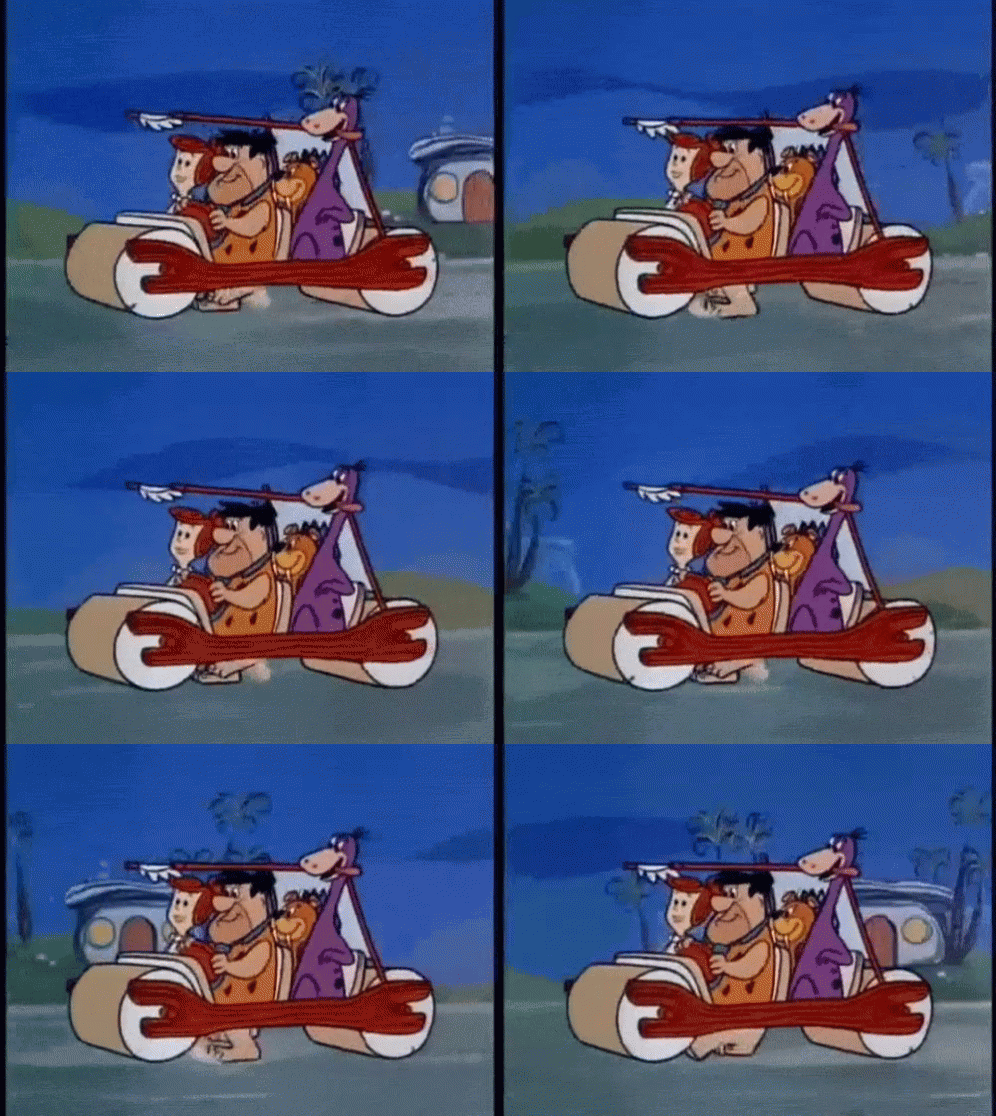
Brooksy had bought it used, so, so used, off a certain Mr. Methuselah. When George drove his darling around the park the trailers would quake and tremble. Men would hide their wives and daughters, wives and daughters would hide their pets.

As for the brakes, halting forward momentum was problematic without the assistance of a pole or tree. The Hupp Motor Company had gone belly up in 1940 but their offspring soldiered on. They built things to last in those days but that is not always the best idea.
The roads, maps and vehicle, however, still do not complete the list of things that made this trip historic. Pop still didn’t have full use of his broken right leg. That would be the leg attached to the foot that in normal usage manipulates the gas and brake pedals. That leg was shoved aside while the left one worked the clutch and the brake. Pop regulated the gas by pulling out or pushing in the throttle, a knob on the dashboard. Is this not the greatest generation?
It was a glorious start: two men, two women, two two-year-olds and assorted luggage jammed into a Hupmobile. Pop yanked out the throttle and they bolted out of the park straight across the road through a flimsy wooden fence into the adjoining cow pasture. That makes for a bumpy ride but you’re fine so long as the cows are sufficiently agile, which these cows were.

The problem was the bull.

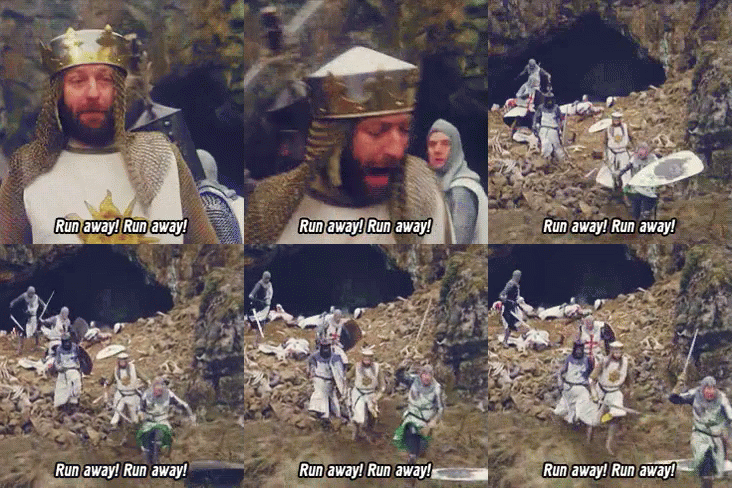
A mature, fully grown 1932 Hupmobile weighed around 2500 lbs. A mature, fully grown 1946 bull could weigh upwards of 3300 lbs. The Hupmobile headed straight for the bull, going between 10 and 15 MPH. The bull headed straight for the Hupmobile, going between 15 and 20 MPH. The Hupmobile that had kayoed the wooden fence now turned tail and ran like King Arthur fleeing the killer rabbit.
The Hup zigged, the bull zigged; the Hup zagged, the bull zagged. One thing Pop didn’t need to bother with right now was the brake pedal. He jammed his left foot on the gas and the Hupmobile leapt and jounced its way back out of the pasture, the bull in close pursuit. By the time the Hupmobile reached the road its passengers were every which way. The bull chased the car down the road a bit before snorting in derision and strutting back to its harem. Pop pushed in the throttle and got his left foot back on the brake. After a brief respite to untangle and assume duty stations our intrepid pioneers puttered off undaunted. Eastward ho the Hupmobile!

To economize they had the bright idea of driving without stopping. Let’s see now. Besides being on the large side, those western states are a mite hilly. By the time the Hup reached the top of one of those hills, assuming it even could minus the incentive of a raging bull, it would be going, well speed is hardly the word. Once at the top, however, there’s no telling how fast it would hair-raisingly descend the other side.

On a straightaway the Hup’s top speed might exceed 50 MPH but even there, considering the brakes, none but the most reckless would actually try it. What’s more, even the flatter roads weren’t wide enough or properly graded, and they were in the minority. Most of the roads wriggled and squirmed and offered stupendous vistas unobstructed by such amenities as guard rails. Add the fact there were no bypasses, that when you came to a town you drove right smack through the middle of it, and you might with luck achieve an average of 30 MPH. So then, 3000 miles at 30 MPH, let me get out my slide rule

comes out, more or less, to the rest of your natural born days.
By the way, have we discussed the amenities? Here’s a typical 1946 highway rest area ->

Any kind of rest stop was few and far between. And when you found one ->

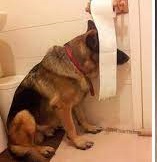
Our intrepid pioneers adopted a philosophical attitude to the problem

Our hardy pioneers lasted until Billings, Montana, where they spotted some roadside cabins. Folks back then were so enamored of these accommodations they were featured on postcards. Folks back then would send these postcards home just so their friends and family could eat their hearts out wishing that they too could spend the night in a tiny cabin with no heat, no electricity, and no plumbing. Folks back then knew a good time when they saw it.
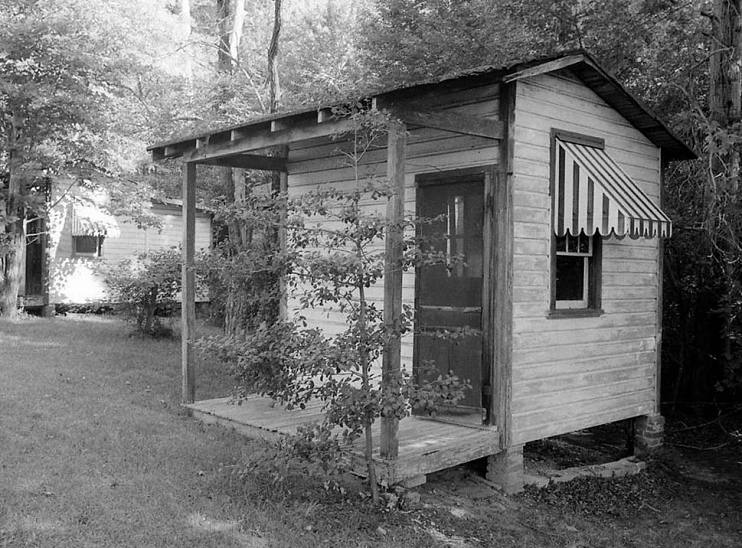
Still thinking frugally they rented just one. They asked about a bath and were directed to the outdoor facilities. In Montana, in December. The shower area was modestly encircled by a wall that almost reached the ground. Deciding they didn’t smell that bad after all they crawled into bed. All of them, into one bed. It wasn’t long, however, before Mom abandoned ship. She selflessly went sleepless in order to keep the cabin heated.


Dammit. She fed the wood stove.
Okay, so it wasn’t a covered wagon, they weren’t sleeping in the great outdoors or being attacked by the local land owners, but it still impresses people like me who make the trip in a few hours at 30,000 feet whining the entire time about the cramped seat or the lady a couple rows back who’s talking too loudly. It’s all relative.
Incidentally, did you know you could be kicked off a flight because you stink? And any monkeys have to be small enough to fit under the seat. This has been a public service announcement.
Long story short, though Pop and George had to push the Hup damn near the whole way, they eventually bounced it off the front stoop of Pop’s ancestral estate in West Philly just as the brakes, which had been threatening to go AWOL since Pittsburgh, gave up the ghost.

